Apprentissage
Fiche éditée par / Elsa Giannetta / Elise BonnemainsDe nos jours, le terme d’apprentissage renvoie en premier lieu à une formation effectuée dans le but d’acquérir une qualification pour un métier, de se former à une activité professionnelle. L’apprentissage est plus communément lié à la figure de l’enseignant, auquel revient la mission de conduire l’initiation, en faisant souvent écho à son chemin personnel. En l’absence ou en complément de l’action de ce modèle, la mission de formation peut être remplie grâce à des supports didactiques amenant à l'enrichissement du savoir et des connaissances. Enfin, une approche plus pratique de la formation, favorisant la stimulation des sens, par le fait d’offrir un contact direct avec l’objet de l’apprentissage, est une autre des possibilités.
C’est selon cet enchaînement des différentes perceptions de la notion apprentissage que seront mis en lumière les témoignages des chercheurs interviewés autour de cette notion. Ainsi, une première partie sera dédiée à l’acquisition du savoir: essentiel à toute réussite, il est transmis par l’enseignant, d’abord sous une forme purement théorique puis à travers une approche plus pratique. Une seconde partie révélera les possibilités offertes à l’étudiant de se former de manière autonome, parfois sur le terrain. Enfin, une troisième partie mettra l’accent sur le développement de l’un des cinq sens, la vue, essentielle à tout travail sur l’image.
Commentaires (0)
Si le processus d’apprentissage peut être plus ou moins spécialisé en fonction des domaines de formation, ici tous les interviewés s’accordent sur la nécessité de développer des savoirs académiques fondamentaux pour la recherche et la maîtrise de la lecture de l’image. Il apparaît donc crucial aux spécialistes, placés d’abord en position d’apprenants et ensuite d’enseignants, que les étudiants soient dotés de ce bagage de connaissances. L’apprentissage des langues anciennes apparaît dans ce cadre incontournable, tout comme l’histoire dans laquelle s’insèrent les images.
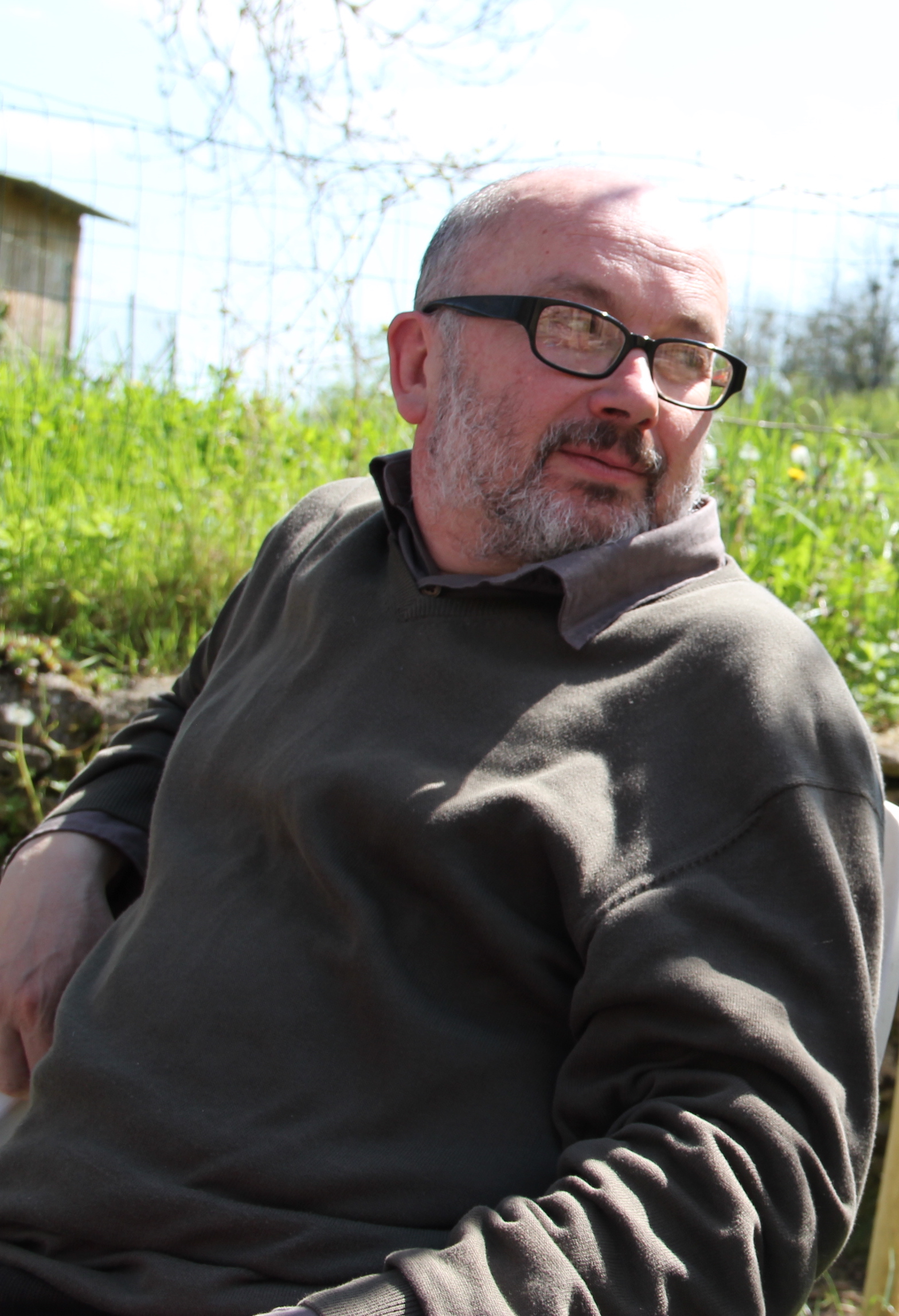 Renaud Robert April 2022
« Toutefois je ne suis pas venu à l’histoire de l’art directement, mais en passant par l’histoire. Pour s’interroger sur les textes anciens, il fallait avoir un regard d’archéologue, un regard historique. Ce qui m’intéressait dans les textes anciens que j’avais à commenter, ce n’était pas tant ce qu’ils représentaient pour nous, en tant que textes ou objets, mais selon quels principes ils avaient été créés, à l’époque où ils l’avaient été. Je me suis formé en histoire. C’est à partir du moment où j’ai basculé du côté historique que je suis revenu assez naturellement aux images et à l’histoire de l’art » 1.1.3.
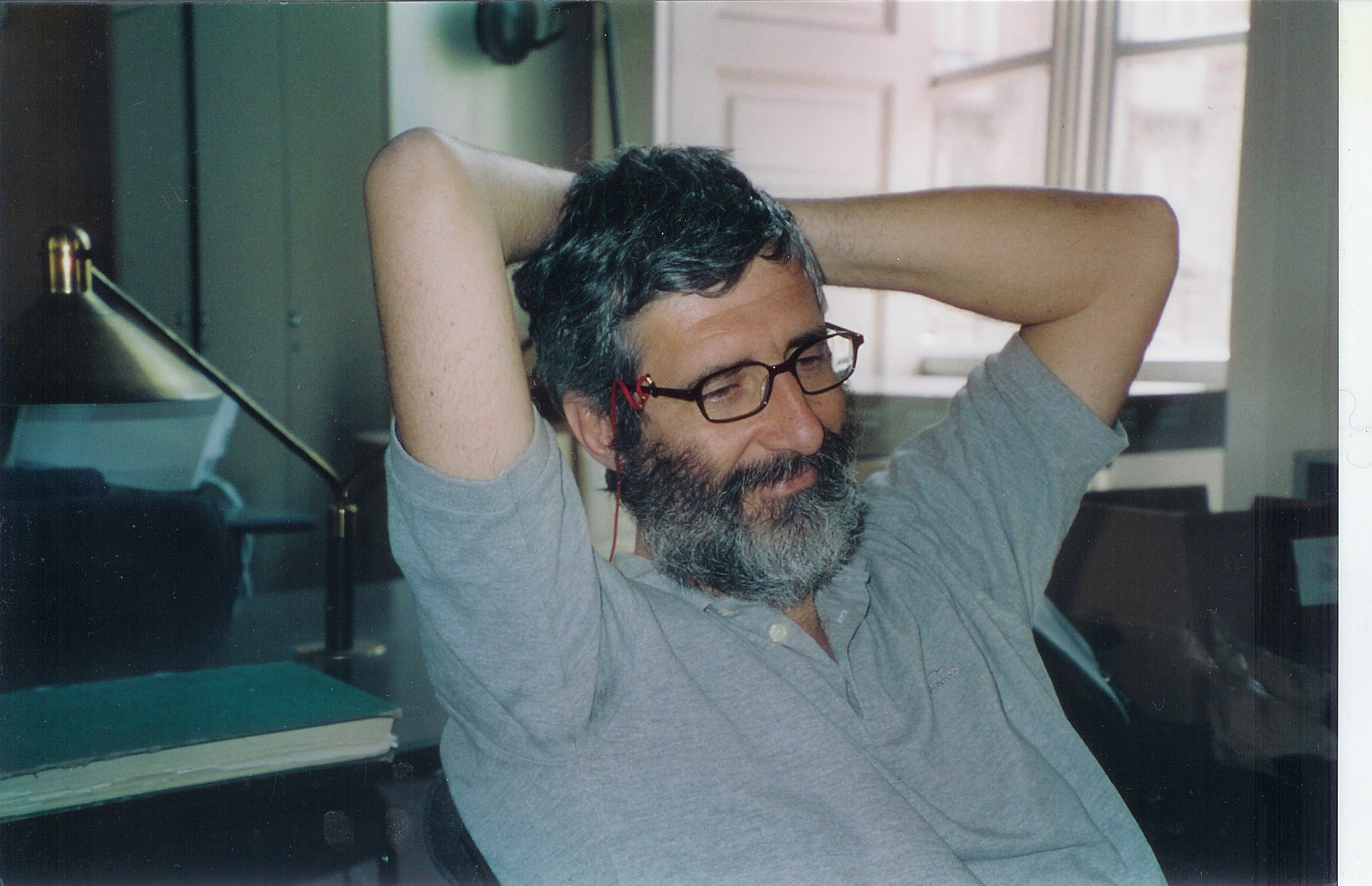 Luca Cerchiai
« Question : L’iconografia fa parte della tua esperienza d’insegnamento ? Quali sono le tue difficoltà ?
Solo di un insegnamento ad un livello già avanzato: almeno dopo la laurea di primo livello. […] Perché è necessaria una competenza di base di carattere filologico, stilistico e storico, cui dovrebbero aggiungersi almeno i primi rudimenti di semiologia. » 4.3.
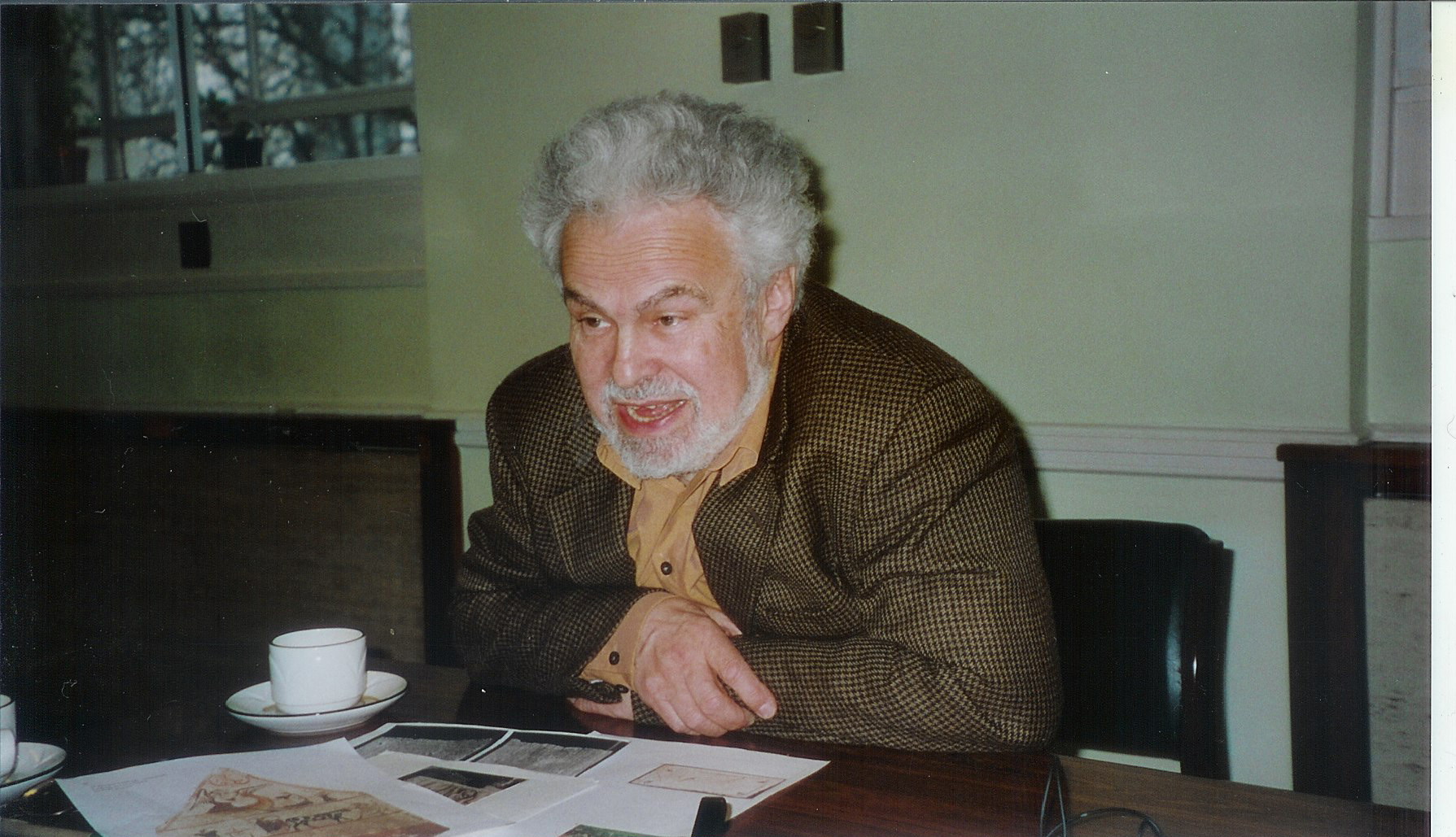 John North December 2002
« They [the students]’ve got to learn Greek and Latin, they’ve got to get their modern European languages up to scratch, they’ve got to learn a lot about history and historical technique, they’ve got to learn about classical literature, they’ve got to learn about archaeology, and they’ve got to learn about images now. Depending upon what you’re going to do, you don’t necessarily need all of those skills, but that’s a huge amount of skill training that you need in order to get to the stage of writing a Ph.D., which is going to use archaeology, images, literature, inscriptions, papyri. It’s a huge amount to know, and very little time to do it in. » 3.2.3.
« I’ve already said that academic traditions are very important: how you learn, where these things are located in relation to one another, and how this study of images is located in relation to the study of literature, but also the study of other art, and the study of other material culture. And I think that people vary a lot in where they put them in relation to one another. So that I think can be an enormously significant pressure as well. I would have thought that in other countries the pressure from national traditions is not especially strong, or at least that it’s not such as to disrupt things or the way you can read things. » 4.1.
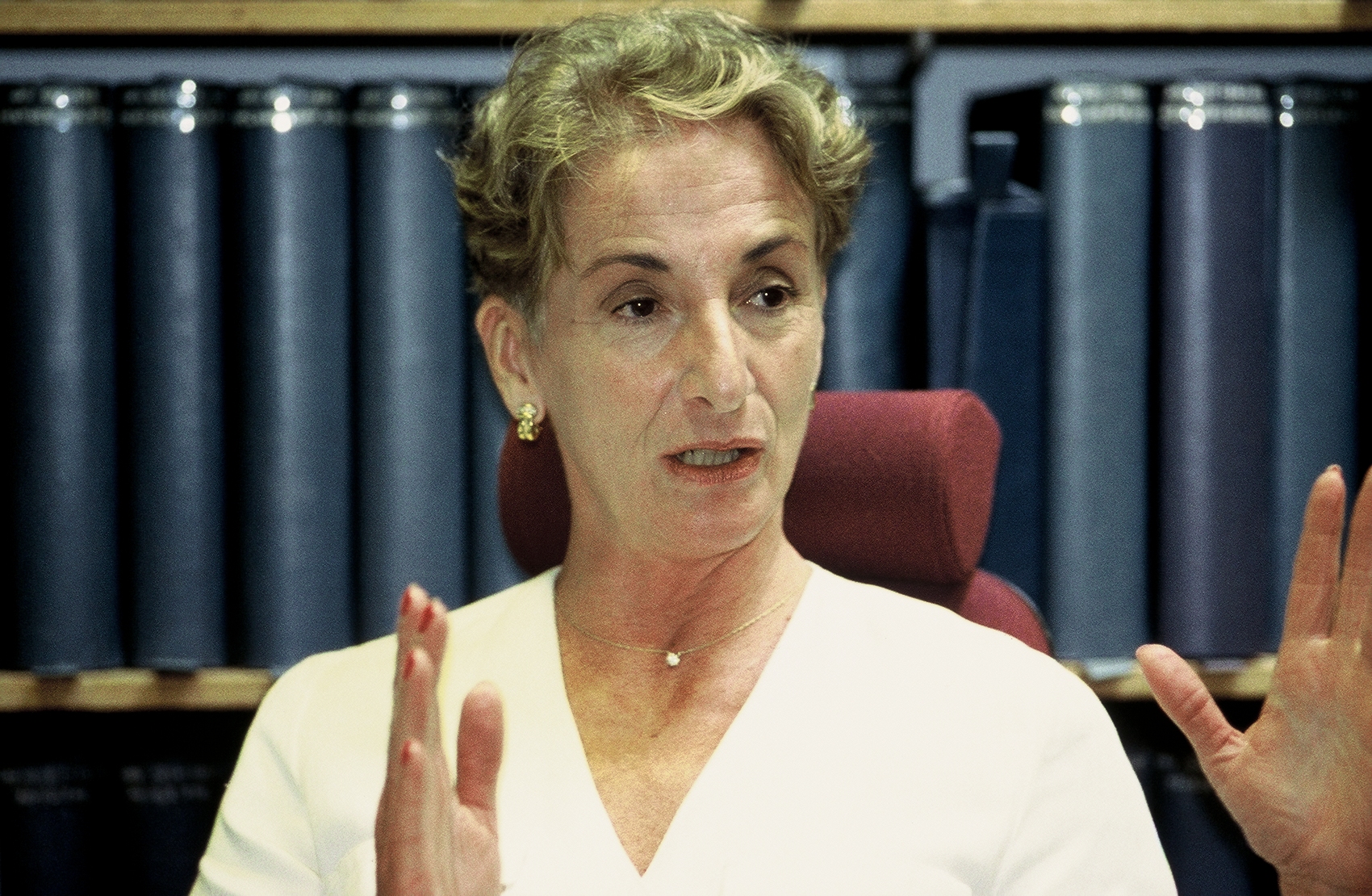 Donna Kurtz August 2003
« As I would always suggest to my students, you must try to learn as much as you can about the period in which the object was made. So tell them to go and read the Cambridge Ancient History. [...] I would try to look at the whole period : and see everything that is produced, so far as it is possible. And then you try to find, if you’re focusing on a particular group of things, how that fits, within the larger group. » 2.4.2.
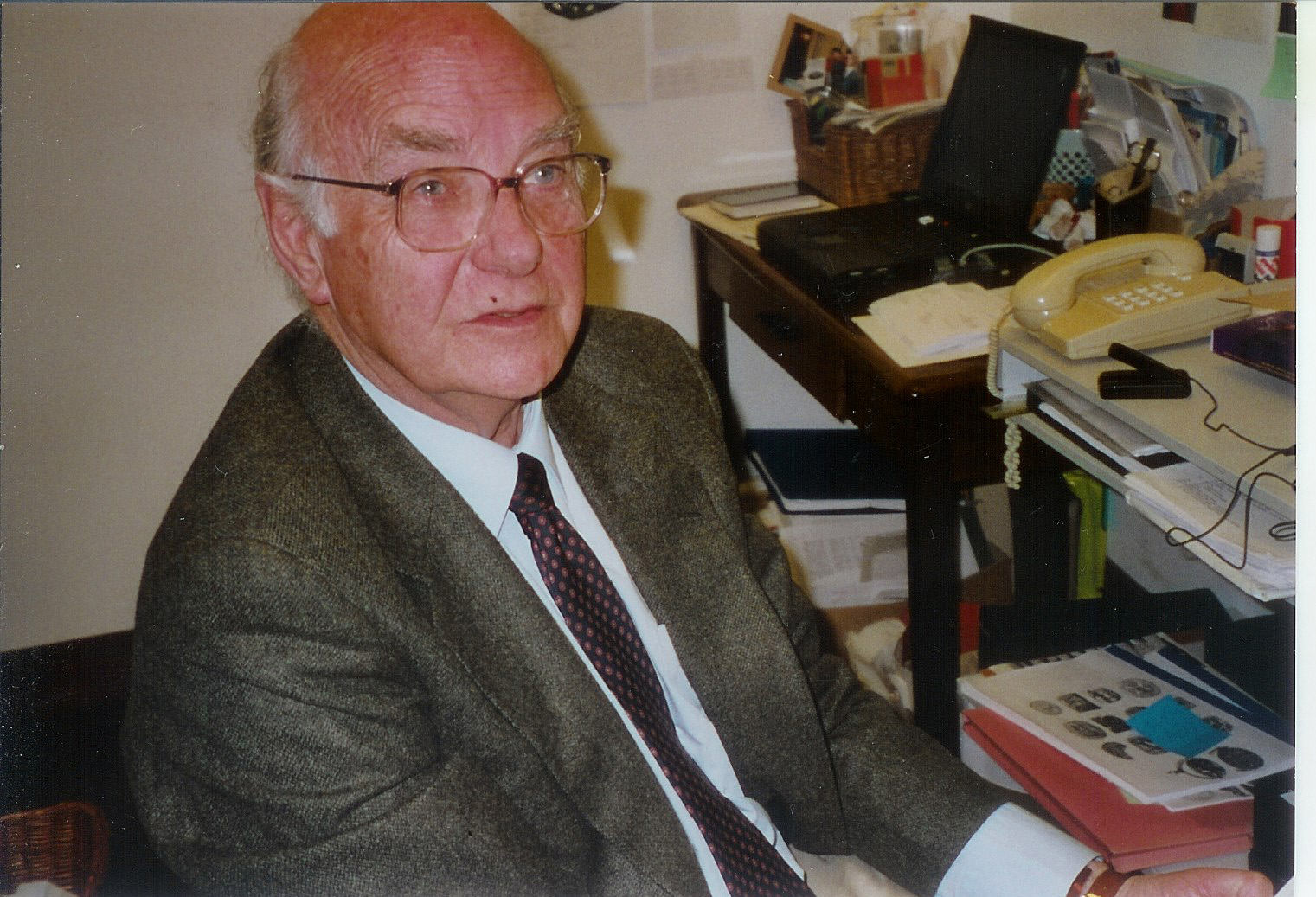 John Boardman December 2002
« I think that they [the students] have to learn the basics. They have to be able to know how to recognize Heracles. They have to know what the principles are that scenes are composed of. Figures who can be recognized by their attributes or by their pose or action, that action can be identified by the formula used. That there is a relationship with what we know about these things from texts, but it’s not a hard and fast one.That there is probably more variety in the iconography that there is in stories as known by texts. You have to go through these preliminaries with them and at the same time, do case studies: take a particular vase, as Beazley did, and put it to pieces. Why is that figure in that position ? Why is he holding that ? All this sort of thing. And that demonstrates the point of it, but they’ve got to get on the two sides, the experience of looking at things carefully and trying to understand them, but they’ve got to learn first of all what they’ve got to look for. It’s not easy, because it’s a long discipline, and they [the students] ought to know literature and history already, they ought to know about Greek art and style, the history of art as well, before they get into iconography. » 4.
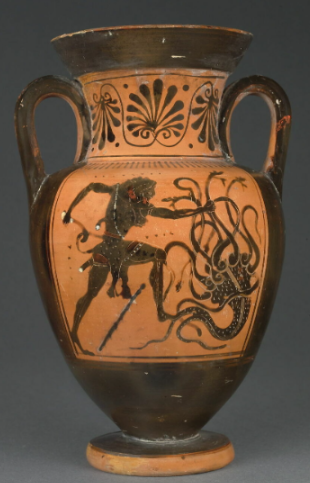
Heraclès représenté avec ses attributs combattants l'hydre
Amphore attique à figures noires, peintre de Diosphos vers - 500 / - 490, musée du Louvre département des antiquités grecques, étrusques et romaines, F386.
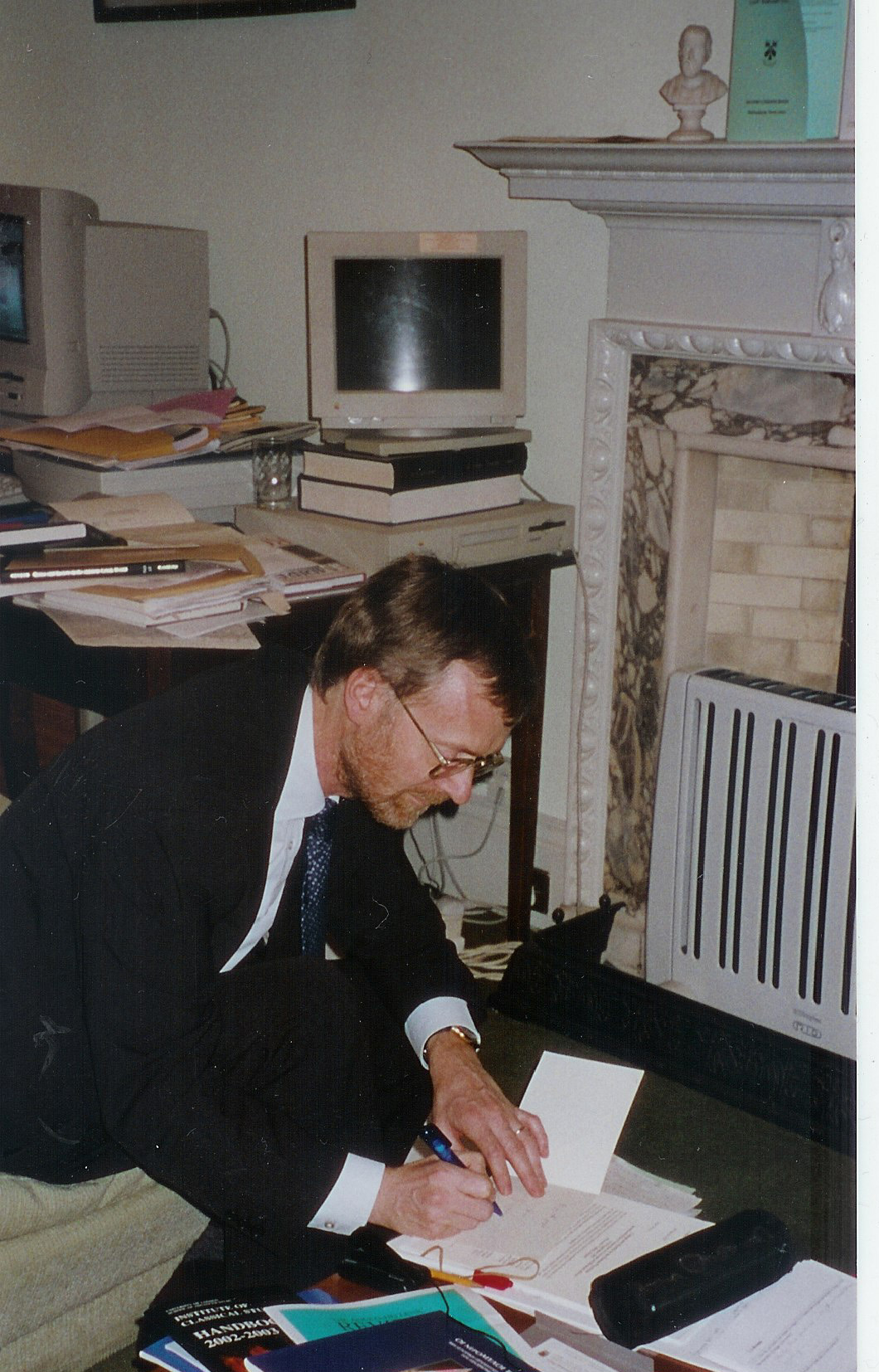 Simon Price December 2002
« Question : What kind of knowledge is needed to read images ?
Lots, different sorts of things. The goal is to be contextual, is to offer a contextual reading, and we need that sort of knowledge. But you also need the training of how to look at the images, and looking is not straightforward. » 4.1.
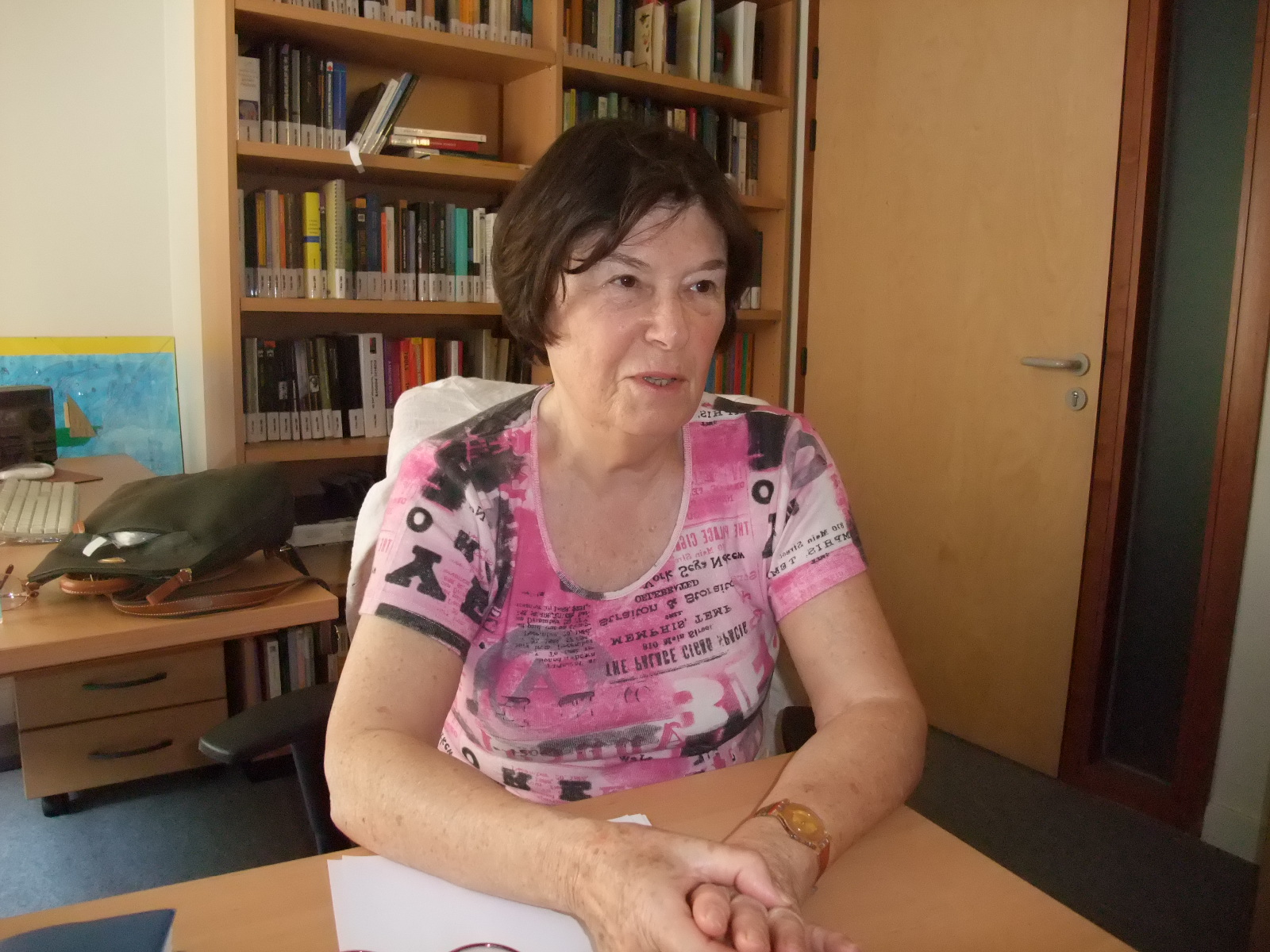 Françoise Frontisi-Ducroux April 2010
« C’est parce qu'ils [les étudiants] ne savent pas lire les images tout simplement et que c’est très, très difficile d’apprendre à les lire. Déjà, ils doivent apprendre, par exemple, le grec parce que souvent ils n’en ont pas fait. Il faut apprendre la langue, à lire les textes et apprendre à déchiffrer, à lire les images. » 3.2.3.
John North December 2002
« In a normal sense of the word discipline it isn’t at all a discipline ; it’s a mixture of all sorts of disciplines : philosophers, historians. I mean [it’s] fine to have a research project with all those people collaborating of course, but to say that these are disciplines - when you learn a discipline you’re learning something which is like learning history or learning archaeology or art history, all of which I think are disciplines. »1.1.2.
Parlant ici en position d’enseignants, les interviewés semblent concorder sur le fait qu’il n’y ait pas vraiment de formation théorique à l’iconographie mais insistent plutôt sur l’importance de guider les étudiants vers la subjectivité, de les accompagner dans l’apprentissage du regard tout en les stimulant à développer leur esprit d’analyse. Pour cela par exemple, Donna Kurtz et Paolo Moreno expliquent pousser les étudiants à passer par la description de l’objet et le dessin pour arriver à une meilleure compréhension de l’image. Certains interviewés évoquent aussi les limites et difficultés rencontrées en tant que professeurs, notamment le manque de temps pour arriver à cet apprentissage complexe.
 Martine Denoyelle April 2010
« Question: L’iconographie s’inscrit-elle dans votre expérience d’enseignement ? Quelles sont les difficultés rencontrées ?
Oui bien sûr j'ai essayé de montrer que la lecture est quelque chose de très personnel , très subjectif. Donc j'ai initié mes étudiants à la subjectivité, parce que au-delà des connaissances qu'il faut avoir, que c'est un vase, à figures rouges, 450 avant etc., il y a ensuite un passage important, surtout quand on est étudiant c'est d'oser, c'est l'appropriation de la représentation. Et ça c'est une chose très difficile à faire. Et je préfère qu'ils le fassent avec leur expérience en tant qu'être humain, humaine, plutôt que de le faire selon des schémas qui ont été appris par cœur et qui vont être appliqués, et qui seront désincarnés. [...] J'essaie d'attirer leur attention sur un certain nombre de constantes dans le rapport entre nous et ce que c'est qu'une image. Et nous et ce qui est représenté sur l'image. Et quelle réalité cela a pour un étudiant ça. J'ai toujours essayé de les rendre un peu libres. Ce qui est important ce sont les connaissances qu'ils [les étudiants] ont par ailleurs, il y a tout un apparat de connaissances, et ensuite bien entendu les différentes approches iconographiques. » 4.2.
Donna Kurtz August 2003
« Question : What is a description made for ? How do you conceive it ?
I ask them to look at the object. This can be a very large problem, because they tend to read books, and they tend to read what other people have said. Then they tend to reproduce this in an essay, and you can put in front of them the object and they won’t recognize it. So I tell them, again, to start with the object and describe the object. If it’s a photographic question on an examination, I tell them, “don’t talk about the ankle bone, don’t talk about the iconography, start with the object.” [For example,] “This is a marble low-relief. It looks to me like it belongs to the fifth century, it looks to me like it has a figure of Athena. It looks to me like it has this. It looks to me like it has that. I conclude that it is probably this.” I don’t let them start talking about iconography first. I always make them go to the material, and then try to place the material in time and space. I don’t let them talk about Geometric Greece, for example. I forbid them to use these terms. I make them say that they are talking about the pottery of say, Corinth in the eighth century B.C. I make them be very specific about the period and the place.
Question : So drawing would help them to make a description?
Yes, because it’s training the eye. It’s that effort of trying to follow the line, which is going to your brain and helping you to understand it better. And I don’t believe that you can do that just by writing, I really don’t. » 3.1.4.
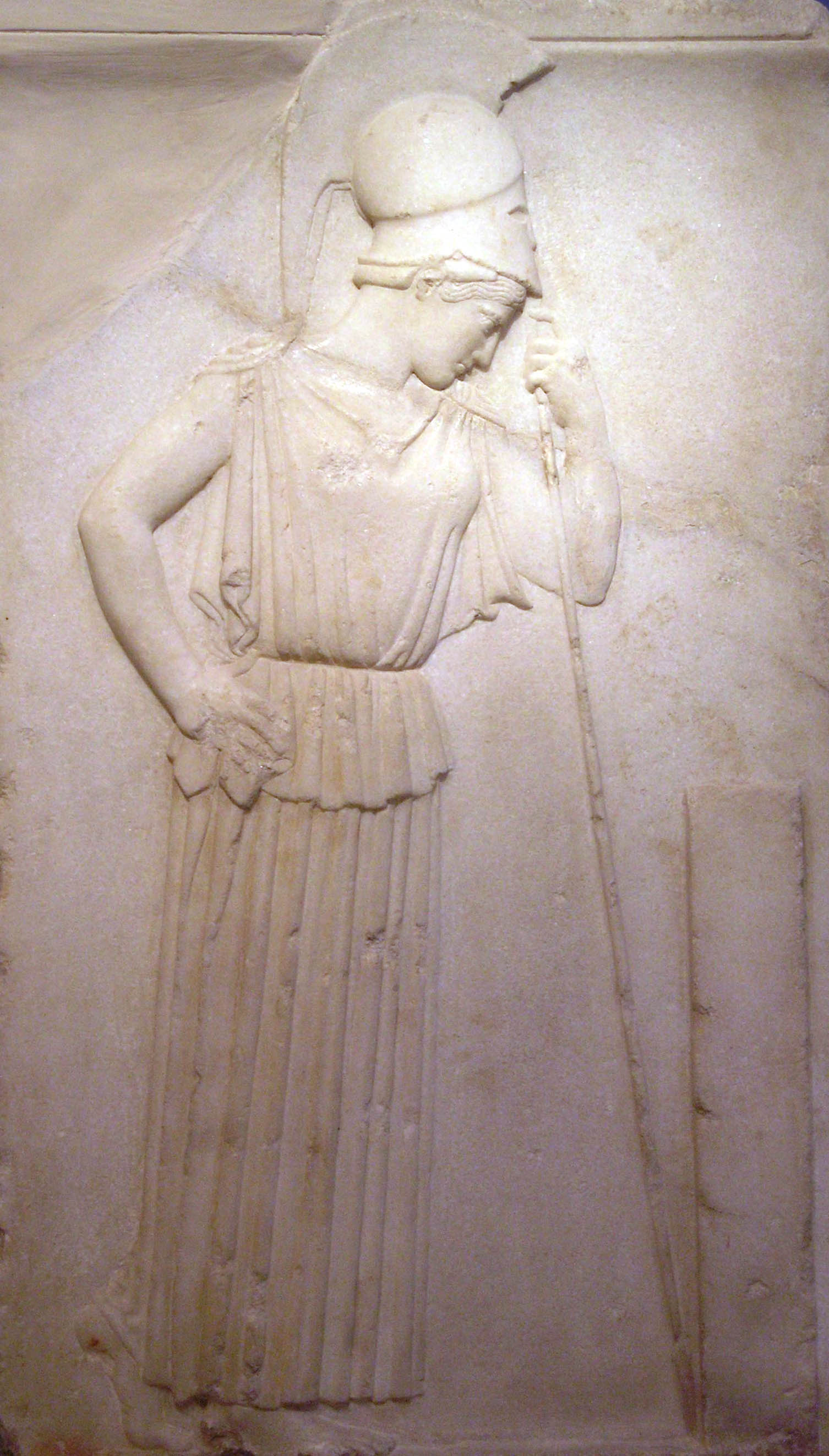
Athéna pensive, bas-relief (vers 460 avant notre ère), musée de l'Acropole d'Athènes
Relief en marbre de la déesse Athéna représentée avec son casque et sa lance.
Donna Kurtz August 2003
« Question : Do you think that transmitting knowledge about iconography to the students is easy for them ?
I don’t think it’s easy for anyone. I think you have to help people to use their eyes and learn how to look at things. » 4.4.
Simon Price December 2022
« I’ve never taught it as such, so I’ve never tried to do fundamental instruction, though I’d like to do that, [...]. What I’ve tried to do is to get people to think about images and to think about them in a respectable and responsible fashion. » 4.3.
 Paolo Moreno March 2010
« Molti lavorano anche staccati dal monumento o anche se lo percorrono, lo vedono, non hanno occhi per vedere a fondo, questo è chiaro. Però è naturale che ciò che è stato detto vada assolutamente tenuto presente e schedato. Il processo di schedatura è uno dei primi che ho imparato a livello universitario iniziale e che ho sempre rigorosamente trasmesso agli allievi, cioè dedicando tempo ed insegnamento nel forum che possiamo parlare anche di diverse procedure didattiche se ne siano previste. E quindi trasmettere anche nell'insegnamento la maniera di schedare sia l'oggetto, sia i libri che riguardano quell'oggetto. Ecco da tutto questo si deve estrapolare ciò che riguarda l'immagine, quindi il fatto interpretativo elementare, cioè la lettura, la spiegazione, la comprensione del gesto, del primo livello di significato e poi l'infinita stratificazione che arriva a tutte le valenze storico-religiose, politiche, filosofiche, culturali, eccetera, che sappiamo sono infinite e che diversi maestri, insomma, del nostro tempo ci hanno insegnato a percorrere. » 1.1.4.
 Luca Giuliani December 2010
« La cosa difficile che cerco sempre di insegnare agli studenti, è quando loro guardano, non devono spegnere il cervello. Guardare, ma tenendo il cervello acceso. » 1.2.5.
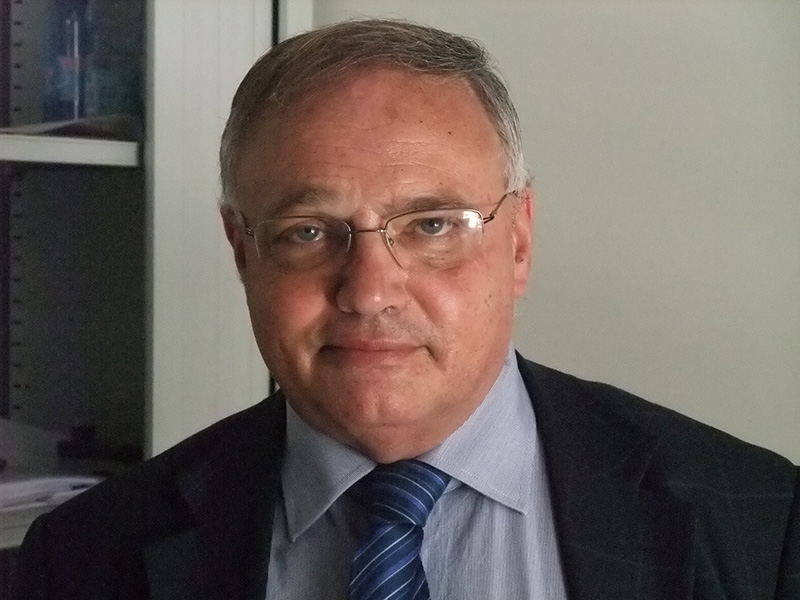 Gilles Sauron July 2010
« Je ne crois pas du tout aux théories. Je pense que ce qui compte c'est l'expérience, la pratique, la pratique juste, c'est-à-dire rigoureuse et pour le reste il me semble que les gens qui, j'allais dire sont faits pour ça, doivent se découvrir eux-mêmes ce genre de talent et s'ils ont envie de continuer ils le font. Mais ça [l’iconographie] ne s'enseigne pas comme on pourrait enseigner un sport... ce n'est pas du tout pareil, parce que ça mobilise beaucoup de facultés mentales qui ont dû se former depuis longtemps et à partir de là on peut aider quelqu'un dans cette voie mais certainement pas lui apprendre à traiter des images, à les analyser s'il n'a pas les facultés pour. » 2.1.2.
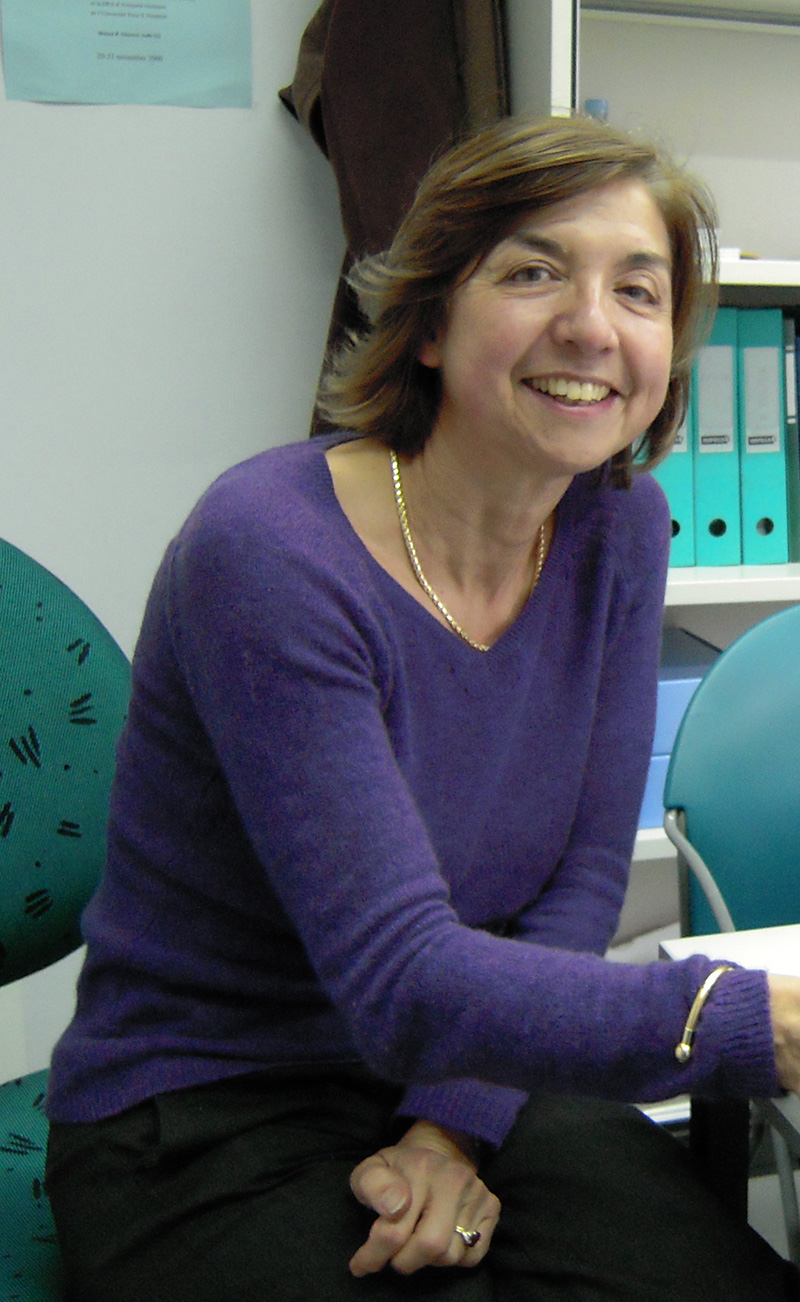 Pascale Linant de Bellefonds February 2010
« Je pense qu’on n’apprend pas suffisamment aux étudiants à analyser une image. Même en histoire de l’art, faute de temps ou parce qu’on n’en voit pas la nécessité, l’intérêt. Dans le cours que je fais, je commence par l’apprendre aux étudiants. On a l’impression qu’on leur a appris mais ils ne l’appliquent pas. Ils viennent et regardent l’image avec presque une idée préconçue. J’essaie de leur apprendre à regarder l’image avec un regard neutre, leur former le regard. Et ça, je pense que c’est peut-être une chose qu’on a trop perdue de vue. On apprend à l’école à analyser un texte (de moins en moins) et ça va de pair. C’est l’esprit d’analyse en général qui se perd. » 3.1.
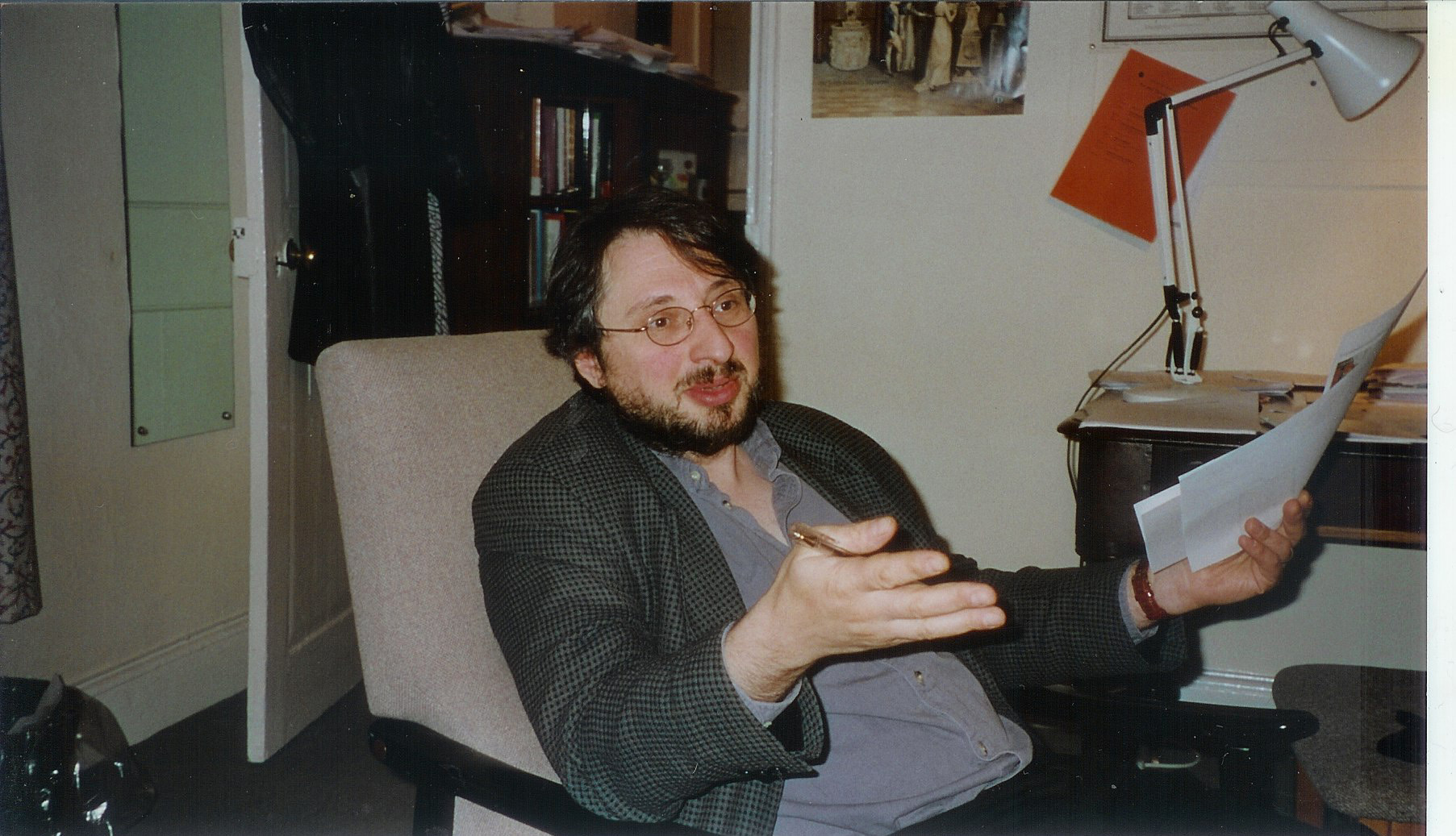 Jas Elsner July 2012
« The thing is, I have a big worry actually about the teaching of Art History : what I had from my father was what you might call an apprenticeship. You go with someone to a museum and there you look and look and look; and you learn to see. We never have the time for that in the modern world. You can’t teach the students, you can’t take the students one by one for an hour or two hours per week, each, and look. There is no time for that. But that was my education from my father and it was hugely valuable. » 1.1.2/3/4.
Si on a jusqu’à maintenant pu voir la nécessité d’un bagage pluridisciplinaire pour une approche pertinente dans la lecture de l’image, ici Pascale Linant de Bellefonds témoignage d’après son expérience personnelle de la difficulté rencontrée, tant pour elle, en position d’enseignante, que pour les étudiants, lorsque l’absence de prérequis est un obstacle à la formation.
Pascale Linant de Bellefonds February 2010
« Question : L’iconographie s’inscrit-elle dans votre expérience d’enseignement ? Quelles sont les difficultés rencontrées ?
[…] Je me suis heurtée souvent à la méconnaissance des étudiants, je me suis rendue compte assez vite (j’avais été aussi mise en garde par mes collègues) qu’il fallait absolument refaire des points très précis sur certains savoirs de base, qui restent indispensables quand on fait un cours d’iconographie grecque. Même si on leur apprend à regarder une image de façon neutre et objective, il faut quand même qu’ils puissent raccrocher cette image à quelque chose. C’est parfois leur manque de connaissance qui a été un obstacle pas tellement pour moi mais pour que le cours que je donnais leur soit utile. Il leur manquait aussi bien les connaissances historiques que littéraires, il faut quand même un savoir. [...] Il faut savoir regarder et raccrocher à une culture et à un contexte. En revanche, j’ai aussi été intéressée de voir que parfois, sans ces connaissances préalables, les étudiants pouvaient faire des remarques pertinentes et enrichissantes. Il y a aussi un côté très positif. » 4.7.
Ayant vu dans un premier temps combien est indispensable un certain nombre de connaissances et de compétences dans différents domaines pour arriver à la lecture de l’image (latin, grec, histoire antique, littérature classique), ici les spécialistes interviewés évoquent un autre aspect de l'enseignement : la place fondamentale de l’apprentissage personnel dans leurs parcours. En effet, tous sont passés par des formes d’apprentissage autonome : lectures, enrichissement par l’échange et la discussion des points de vues, confrontation aux images et aux monuments hors du cadre universitaire, etc. Ils évoquent ici leurs formations autodidactes et l’importance cruciale de celle-ci pour tous les étudiants.
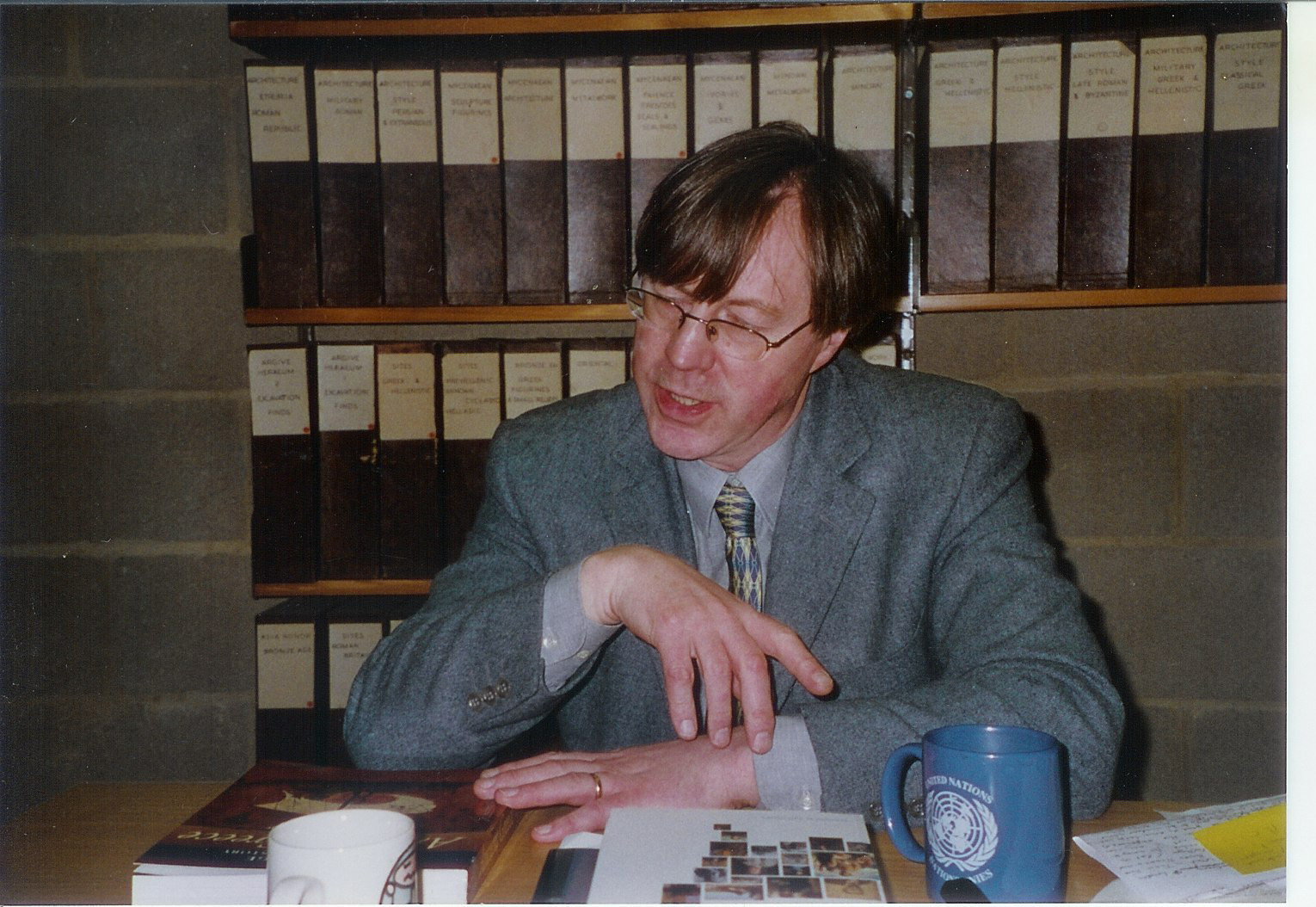 Paul Cartledge December 2002
« Absolutely self-taught, autodidact, because when I say I was an undergraduate you couldn’t study classical archaeology seriously, you could take one element, and in those days when you became a graduate student, you went straight into a Ph.D., a D.Phil. as it’s called in Oxford, your thèse. Now you would do a Master’s degree first, and that would be taught. So in my day you went straight into individual research. And we had a seminar at which we presented our results and there was some teaching, perhaps one hour on papyrology, one hour on archaeology- really extremely limited teaching. So I was principally self-taught » 1.1.4.
Jas Elsner December 2002
« I also studied with Nora Nercessian, a medievalist who is hardly now remembered and has left the field, but who was very encouraging and gave me some key theoretical texts to look at from the German tradition, such as Walter Benjamin and Adorno. I also did some Byzantine history there with Angeliki Laiou and Ihor Sevcenko (who cordially loathed Jas Elsner one another). Then I went for a year to the Courtauld to complete my MA, and returned to Cambridge to do a PhD that combined Classics with Art History, under Mary Beard’s supervision » 1.1.1.
Simon Price December 2002
« I had no formal training as an undergraduate in classical iconography. I didn’t study any archaeology or art history, although I was always quite interested in it. I read books about vase painting and so on for fun, though I didn’t study it. I’ve always from school days and onwards, been to visit museums and looked at objects from all over the Mediterranean world where I have happened to be. As I’ve also looked at ruins and monuments. In the days where I started doing my thesis there was no training for graduate students, we just moved straight from being undergraduates to writing a thesis. So everything else that I have learned about iconography I have learned through talking to people and reading things. »
« Question : The fact that you haven’t been trained, is it… ?
Is it an advantage or a disadvantage ? It means that I am not beholden to anybody and there are some ways of having done art history which can be disadvantageous. So I suppose that it may have meant that I have been more flexible and open to other people’s ideas but it’s also true I suppose that I don’t have the underlying technical training which would have been nice. » 1.1.1.
John North December 2002
« Well that’s a question of mostly just reading things and trying to learn, reading and looking, reading people’s discussion, looking at the images, trying to see how one could think about them and what one could do with them that people were not doing and so on. And then I suppose that the only other training that I could claim is that I have an odd point : I’ve never really published much on a specific monument or image but I have given talks about them and lectures about them, and the feedback that you get when you do that is, I think, tremendously instructive. » 1.1.4.
Luca Giuliani December 2010
« Soltanto trovo che, per esempio, leggendo le teorie che sono nate proprio da questa intensificazione dell’immagine attuale nei media, non ho mai imparato niente, leggendo queste teorie. Quindi non ho imparato granché dalle teorie attuali. Ho imparato molto dalle teorie del Settecento e dell’Ottocento. » 1.2.1.
Après avoir évoqué leurs parcours autodidactes dans la part d’apprentissage théorique pour une meilleure maîtrise dans la lecture des images, les spécialistes interviewés sont unanimes quant à l’importance fondamentale d’une démarche personnelle, en dehors du cadre académique, de confrontation aux images. Certains reviennent ici sur les différents contextes dans lesquels ils ont été amenés à apprendre à regarder grâce à la multiplicité et à la diversité des images auxquelles ils étaient confrontés.
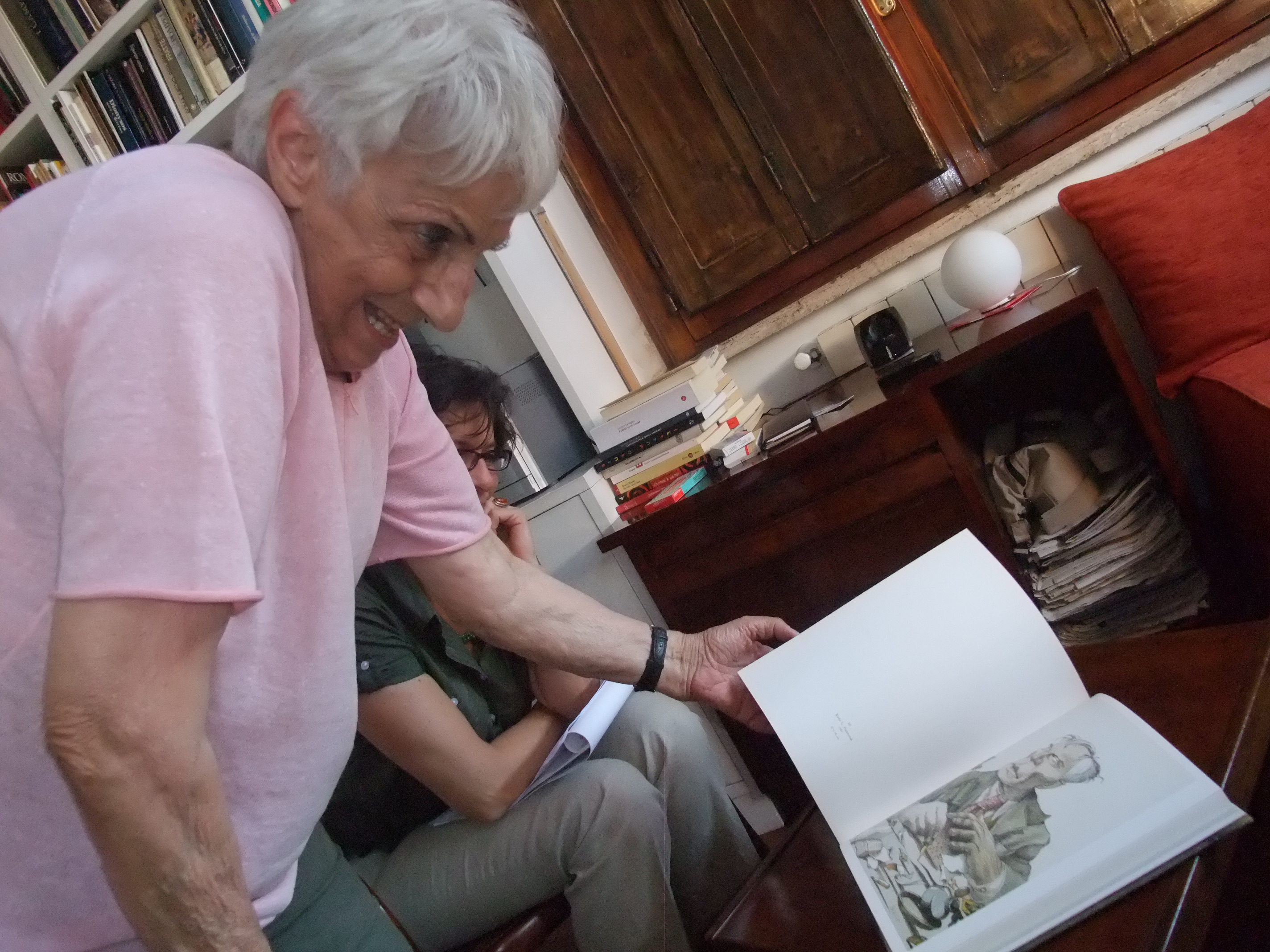 Ida Baldassarre June 2009
« Question : E quindi tu diresti che le tappe della costruzione delle tue competenze nello studio dell'immagine… sono nate all’università ?
Sono nate all'università sì. Sono state perlomeno indirizzate sulla base di una tendenza a visualizzare attraverso le esperienze. Per esempio io, anche se nessuno me lo aveva detto, siccome mia madre era di Verona, sono andata a Verona, andavo nei musei e godevo delle cose dei musei. [...] Un professore di storia dell'arte dell'università particolarmente, senza essere un genio, ha avuto la capacità di nutrire e aprire meglio questa mia passione, pur specificamente l'interesse per lo studio delle immagini nel mondo antico, ma più della semiologia diciamo, lo studio del significato delle immagini e dei possibili percorsi che si possono fare...e questo è degli anni Settanta. » 1.1.4.
Luca Giuliani December 2010
« La cosa che forse mi ha determinato era… Mia madre era andata a scuola a Berlino prima di venire in Italia, è venuta in Italia quando aveva diciannove anni, e la sua insegnante di classe che l’aveva portata fino alla maturità aveva insegnato tedesco e storia, ma era in fondo una storica dell’arte, la passione di questa insegnante era la storia dell’arte. E si occupava di iconografia di manoscritti alluminati medievali. E lei è venuta spesso a trovarci a Firenze— io sono cresciuto a Firenze— e con lei sono andato nei musei, e per la prima volta ho fatto l’esperienza con una persona che mi insegnava a guardare. » 1.1.3.
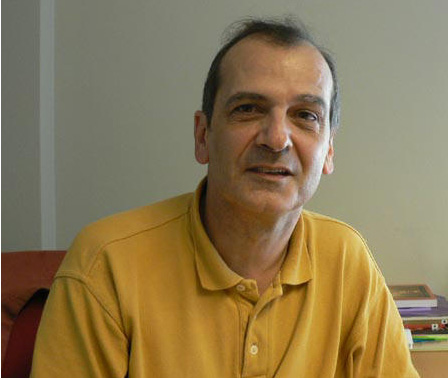 François Lissarrague November 2002
« Je n'ai jamais fait d'histoire de l'art à l’université j'ai appris sur le tas, par des lectures comme tout le monde. Mais, là où j'ai appris le plus, c'est avec Claude Frontisi. En regardant Klee, en discutant sur des questions d'art contemporain. Tout d'un coup, tu replaces les choses autrement. Toutes ces rencontres se cumulent en même temps. » 1.1.3.
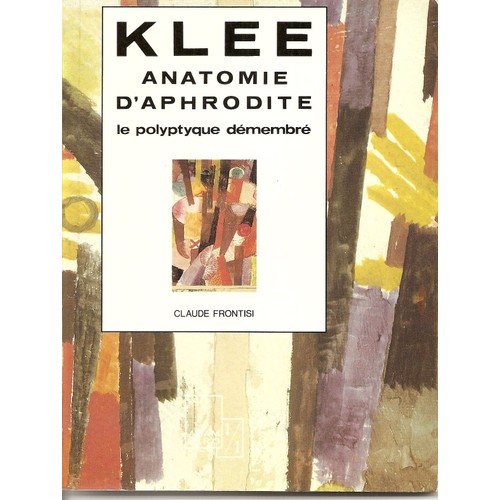
Couverture du livre de Claude Frontisi sur Klee
Claude Frontisi, Klee. Anatomie d’Aphrodite, le polyptyque démembré, Paris, éditions Adam Brio, 1998.
Jas Elsner December 2002
« I suppose I have had two careers. One is the fact that I am the son of a painter. So I have a whole history in the History of Art that has no relationship to academic Art History. That was my main introduction to the world of images, from the passionate insider’s view of a particular artist. » 1.1.1.
Renaud Robert April 2010
« Mon intérêt pour l’image a toujours existé par tradition familiale. Mes parents s’intéressaient beaucoup à l’art et à l’histoire de l’art. J’ai visité beaucoup plus d’églises que tous les croyants, ainsi que beaucoup de musées donc cela a très vite fait partie de ma vie. Je pense que comme cela faisait partie de ma vie, il ne m’est pas venu consciemment tout de suite que c’était un domaine qui m’intéressait. » 1.1.3.
John North August 2012
« [My supervisor] was, of course, in the end, very concerned with images, not really with their interpretation in any sophisticated way I suppose, but he certainly had a very full sense that you had to deal with them and you had to talk about them, though that of course wasn’t his training either. He used to say, “You must deal with these things, you’ve got to take this on, and it isn’t really difficult. It’s not difficult, it doesn’t require any special knowledge or skill, you’ve just got to look and think and you’ll be able to cope with this sort of thing, and it’s very rewarding in the end.” And he took me around various things in Rome, including the Esposizioni, the EUR Museum, looking at monuments – well the plaster casts of monuments – and so on, and talking about…I suppose you could say that that was training but it was pretty casual sort of training. » 1.1.1.
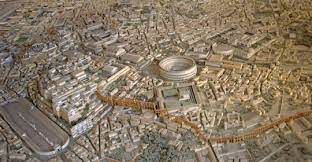
Maquette de l'EUR d'Italo Gismondi
Vue panoramique d'une partie de la maquette en plâtre de l'EUR par Italo Gismondi, 1933-1935, museo della civiltà romana, Roma.
La réaction des interviewés est sans équivoque quant à l’absolue nécessité de se confronter, par le regard direct, à l’objet sur lequel porte la recherche. En effet, tout en déplorant la difficulté de sensibiliser leur auditoire à la pratique de l’observation, les enseignants-chercheurs le certifient : négliger cette étape ne permet pas de s’inscrire dans une démarche active et autonome et de s’émanciper de la pensée d’autrui.
Jas Elsner December 2002
« And the thing is that books never teach anybody anything. […] All real learning is done by personal contact and getting it wrong and being shown that it is wrong and why […]. » 4.4.
« This [the knowledge needed in order to read images] is a really big and deep problem, because it does require training in the art of looking, and it is a training with which we are not provided. None of you in your jobs, or me, have the time to teach students how to look. It is an apprenticeship. It is the only way to become familiar with and in art. Of course people can do it for themselves to some extent, but not very many people can do it. That is a real problem. But apart from the training in looking, there is then, I think, a very necessary training in not believing anything you have ever read. The principal problem is that people believe what they read, instead of looking to see what are the agendas. […] But we have to know, and our students have to know that you can't believe what you read. Especially not the good things. This is crucial for students, because there is this terrible, particularly in America and in Germany, this terrible kind of tradition of the great Professor : the Professor thinks and believes : all the students have to think and believe. […]. » 3.4.3.
Paolo Moreno March 2010
« [...] Trovo che la cosa fondamentale è quella che ci ha insegnato Winckelmann e cioè il rapporto diretto, continuo, ripetuto col monumento. Ovviamente noi stiamo in una biblioteca quindi c'è quello che è stato scritto su quel monumento che va assolutamente percorso perché c'è una percentuale molto alta, 70-80% di ciò che è stato scritto che funziona, cioè perché è stato scritto con criteri analoghi a quelli ovvi. Anch'io vado propagandando ai miei allievi, andavo propagandando ai miei allievi, di andarsi a vedere il monumento. Molti lavorano anche staccati dal monumento o anche se lo percorrono, lo vedono, non hanno occhi per vedere a fondo […]. » 1. 1. 4.
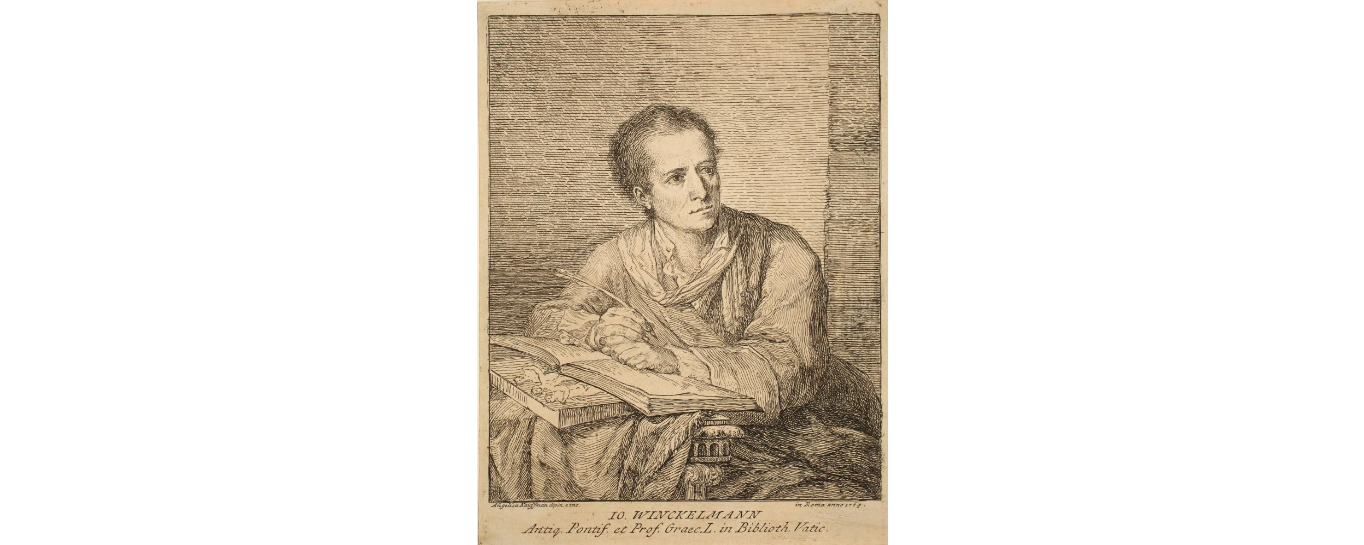
Portrait de Johann Joachim Winckelmann par Angelica Kauffman (Swiss, 1741–1807), 1764.
Gravure, 19.1 x 15.2 cm, Allen Memorial Art Museum (non exposé, collection européenne).
Cet incontournable exercice du regard venant d’être défini comme objectif capital, sont exposées ici différentes approches des interviewés, permettant de l’atteindre. Une fois encore, le caractère délicat de cette tâche d’observation est mis en lumière. En effet, les spécialistes se gardent bien de proposer un mode d’emploi qu’il suffirait d’appliquer. Toutefois, au travers de multiples méthodes répétées figurent à la clé la compréhension de l’image et l’éclaircissement de la pensée.
John Boardman December 2002
« You learn the subject by looking at it. And you look and you look and you look and eventually it forms in your mind what it really means. And this I think is [something] easily forgotten, and not much taught » 6.1.1.
« E imparare a guardare significa l’apprezzamento estetico dell’immagine, ma significa anche togliere il potere alle immagini, perché se noi impariamo a capire l’immagine come artefatto, l’immagine diventa il nostro oggetto, e non noi l’oggetto dell’immagine. » 1.2.5.
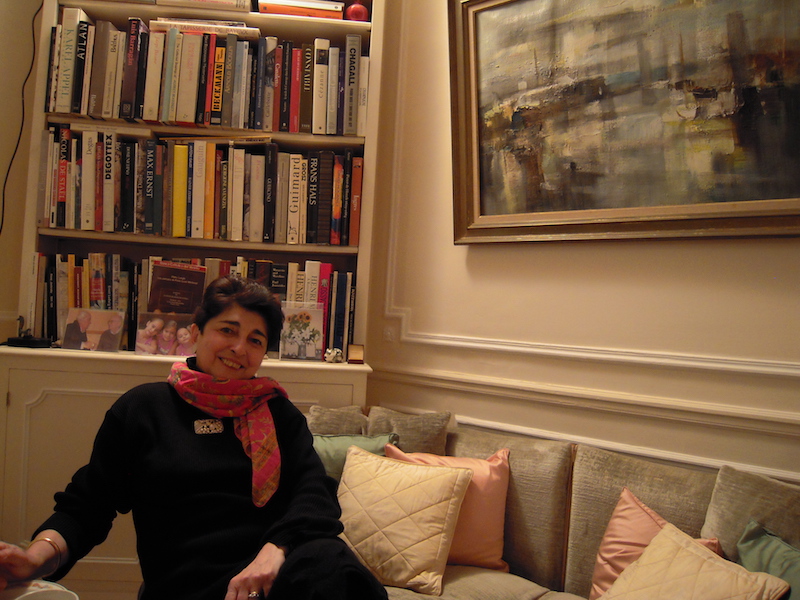 Marie-Christine Villanueva Puig January 2011
« Pour moi l’image n’est pas un document. Il faut la traiter jusqu’à ce qu’elle devienne un document et c’est un long apprentissage parce qu’il n’y a pas un enseignement mécanique. Cela demande des approches variées mais on peut constituer avec une image, comme avec un texte écrit, un document. Mais l’image n’est pas un document, un texte non plus je crois. » 2.3.1.
François Lissarrague November 2002
« Quand j'étais en maîtrise avec Villard, il nous apprenait d'abord à regarder, et ça, ça ne s'apprend pas dans les livres; après il nous apprenait, c'était un des exercices de l'année, à faire la description de n'importe quel vase du Louvre, en nous disant : "vous apprenez d'abord à décrire et ensuite vous interpréterez". Et j'ai longtemps pensé que c'était pas simple mais que c'était ça l'idéal à atteindre. » 3.1.4.
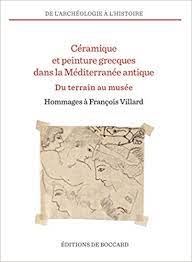
Céramique et peinture grecques dans la Méditerranée antique, du terrain au musée, Hommages à François Villard, éditions De Boccard, 2019.
Couverture du livre en hommage à François Villard, écrit par Françoise Gaultier, Pierre Rouillard et Agnès Rouveret. Collection De l'archéologie à l'Histoire, 282 pages.
Luca Giuliani December 2010
« La difficoltà da affrontare è che la gente, gli studenti che vengono dalla scuola non sono abituati a guardare. Cioè imparano a leggere, imparano a far di conto, imparano molte cose, ma non imparano a guardare. Nessuno glielo insegna. È un compito magnifico quello di insegnare a guardare, di persuaderli che bisogna aprire gli occhi, tenerli bene aperti, senza procedere subito ad andare oltre, alla prossima vetrina, e contemporaneamente non smettere di continuare a pensare. » 4. 3.